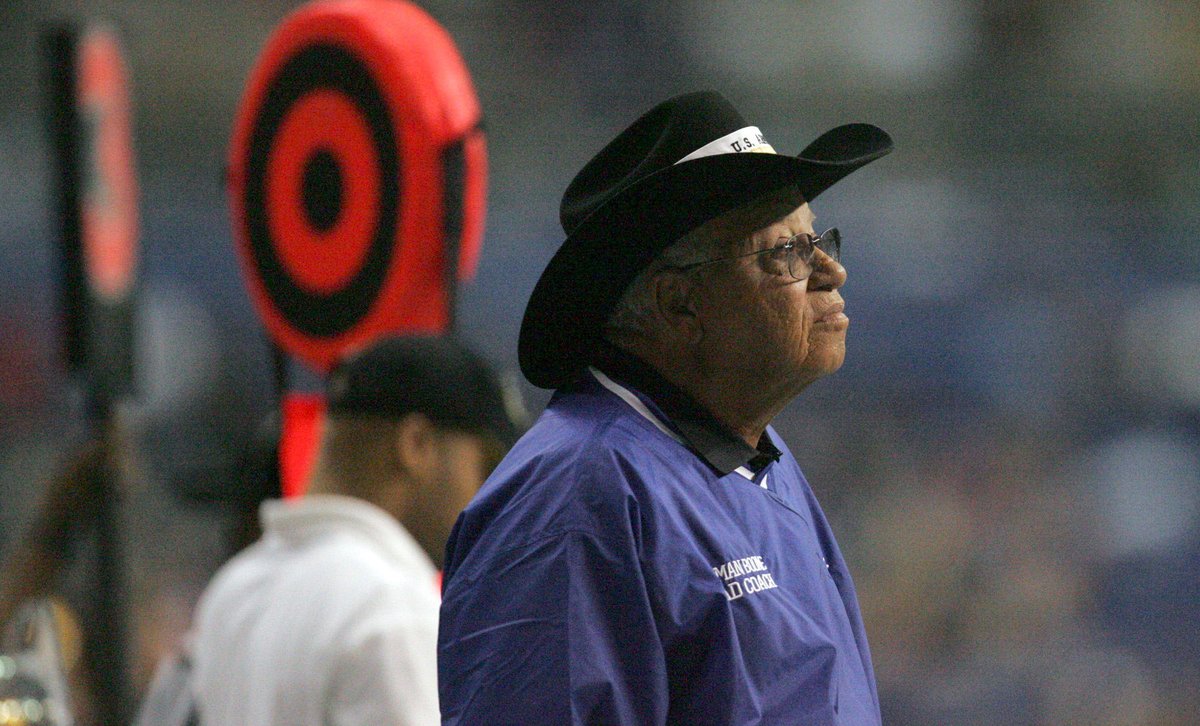
Herman Boone. The name alone conjures images of unwavering resolve, a booming voice, and a coach who famously united a divided football team against incredible odds. Immortalized by Denzel Washington in the critically acclaimed film Remember The Titans, Boone's story is far more than just a Hollywood script. It's a powerful testament to the impact one individual can have on a community, a school, and the lives of young men striving for greatness amidst a period of profound social change.
At its heart, Boone's legacy is about transcending racial barriers, fostering true team spirit, and demonstrating that leadership isn't just about winning games, but about building character. His life, marked by both triumph and challenge, offers invaluable lessons that resonate decades later, proving that the principles of unity and respect are timeless.
The Formative Years: Boone's Path to Coaching Greatness
Long before he stood on the sidelines of T. C. Williams High School, Herman Boone was laying the groundwork for a remarkable career. Born in Rocky Mount, North Carolina, his early life was shaped by the segregated South, yet he pursued education with dedication, earning both a Bachelor of Arts and a Master of Science degree from North Carolina Central University. His commitment to shaping young minds through sports began in Virginia and North Carolina, where his coaching prowess quickly became evident.
Boone’s early teams achieved impressive records, racking up district championships and even national recognition, all while he navigated the racial prejudices of the era. His determination to lead, despite facing systemic barriers, is a crucial part of his narrative. To understand the full scope of his journey and the experiences that molded him, explore Herman Boones Life and Career.
Forging Unity: The Transformative 1971 T. C. Williams Season
The year 1971 brought Herman Boone to Alexandria, Virginia, where three high schools were consolidating into T. C. Williams High School amidst intense racial tension. Tasked with coaching the newly integrated football team, Boone faced a challenge far greater than just winning games. He had to unite black and white players, a microcosm of the city's struggle, into a cohesive unit. His approach was direct, demanding, and ultimately, revolutionary.
He famously took the team on a preseason training trip to Gettysburg, Pennsylvania, a place steeped in American history and division, to force them to confront their prejudices and forge bonds. The result was an undefeated 13-0 season, a state championship, and a national runner-up title. This incredible achievement not only captured the hearts of Alexandria but also garnered national attention, with President Richard Nixon himself observing the team's impact. Discover the full depth of this remarkable athletic and social triumph when you Relive the 1971 Titans journey.
More Than Just X's and O's: Boone's Coaching Philosophy
Herman Boone's success wasn't simply about strategy; it was about a profound understanding of human nature and the power of discipline and shared purpose. He demanded excellence, both on and off the field, and his methods were often unconventional, designed to break down walls and build trust. He instilled in his players the belief that their differences made them stronger, and that true victory came from working together as one.
His rigorous training, his unwavering insistence on respect, and his ability to see beyond skin color to the heart of a player formed the bedrock of his coaching style. It was a philosophy that transcended football, teaching life lessons about perseverance, integrity, and the strength found in diversity. Dive deeper into the principles that guided his legendary teams and Learn Boones coaching philosophy.
The Enduring Impact of Remember The Titans
For many, the first introduction to Herman Boone's story came through the 2000 film Remember The Titans. Denzel Washington's powerful portrayal brought Boone's character to life, capturing his intensity, his passion, and his unwavering commitment to his team. The movie amplified his story, sharing it with a global audience and cementing his place in the annals of sports and social history.
The film successfully conveyed the emotional weight of the 1971 season, highlighting the deep personal struggles and eventual triumphs of the players and coaches. Its release sparked renewed conversations about race, unity, and the transformative power of sport, ensuring Boone's message continues to inspire generations. Understand how Hollywood shaped public perception and reinforced his legacy by exploring Remember the Titans: Movies Impact.
Lessons for Life: Herman Boone's Lasting Legacy
Beyond the championships and the silver screen, Herman Boone's true legacy lies in the profound lessons he imparted. He continued to be a public speaker, sharing his experiences and insights on leadership, teamwork, and overcoming adversity. His unwavering belief in the potential of young people, regardless of their background, made him a mentor and an inspiration to countless individuals.
Even after his coaching career ended, his principles lived on. The Herman Boone Trophy, awarded to the winning team of the U.S. Army All-American Bowl, stands as a testament to his enduring influence on high school football. His life reminds us that true leaders build bridges, inspire courage, and leave an indelible mark on the human spirit. To internalize the wisdom he offered, examine the profound Leadership Lessons from Herman Boone.
Herman Boone's journey from a segregated North Carolina to leading a nationally recognized, integrated football team is a powerful narrative of courage, conviction, and connection. He faced prejudice with dignity, challenged the status quo with determination, and proved that common ground can always be found when hearts and minds are open. His story continues to resonate, reminding us that the greatest victories are often those achieved not just on the scoreboard, but within ourselves and our communities.