When a film based on a "true story" captures the hearts and minds of millions, a natural question arises: just how true is it? Such is the case with Remember the Titans, the powerful 2000 sports drama that has resonated with audiences for over two decades. Exploring the Historical Accuracy of Remember the Titans isn't about debunking a beloved narrative, but rather understanding how Hollywood skillfully crafts a compelling story while honoring the spirit of real events.
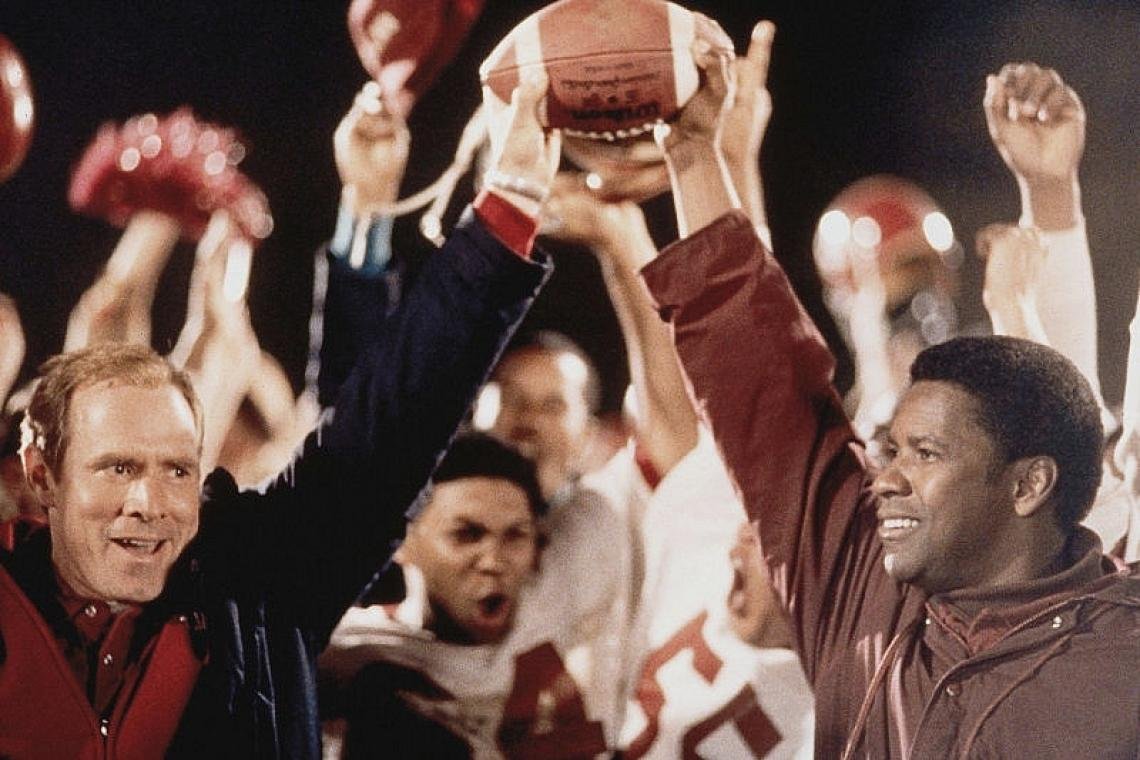
The film plunges us into the tumultuous world of 1971 Alexandria, Virginia, where two previously segregated high schools — one black, one white — are forcibly integrated into T.C. Williams High. With this integration comes a new, integrated football team, the Titans, led by the formidable Coach Herman Boone (Denzel Washington) and his white assistant, Bill Yoast (Will Patton). The movie depicts their struggles, their triumphs, and ultimately, their role in uniting a divided community through football.
While the emotional core and overarching message of unity and overcoming prejudice are undeniably authentic, the film, like many historical dramas, takes creative liberties. It's a masterclass in how to condense years of social upheaval and individual journeys into a two-hour cinematic experience.
At a Glance: Remember the Titans Accuracy Scorecard
- Overall Message & Spirit: Highly accurate. The film successfully conveys the intense racial tensions and the team's unifying impact.
- Key Characters: Based on real people, but some personalities (especially Coach Boone's) were dramatized for effect.
- Specific Events: Some critical incidents (like the brick through Boone's window) did happen, others were created or exaggerated.
- Team Performance: The real 1971 T.C. Williams team was incredibly dominant, arguably more so than depicted.
- Timeline & Relationships: Condensed and altered for narrative clarity and emotional impact.
- Fictional Elements: Certain characters and subplots were invented entirely to amplify dramatic tension.
The Crucible of 1971 Alexandria: Setting the Scene
To truly appreciate the film's accuracy, or lack thereof, you need to understand the volatile backdrop of early 1970s America. The Supreme Court's landmark Brown v. Board of Education ruling in 1954 mandated an end to segregated schools, but the practical, often violent, implementation of this decision dragged on for decades. Alexandria, Virginia, was no exception.
In 1971, three high schools — the all-black George Washington High and the all-white Francis C. Hammond and T.C. Williams — were consolidated into one unified T.C. Williams High School. This wasn't just about mixing students in classrooms; it was about tearing down generations of deeply entrenched racial divides in every aspect of life, including the beloved football field. The film correctly portrays the immense pressure on the football team to not only win games but to symbolize racial harmony in a community desperate for it. This core struggle is the historical truth that anchors the entire narrative, giving the film its enduring meaning.
The Unifying Spirit: What Remember the Titans Got Right
Despite the dramatic flourishes, Remember the Titans nails many crucial aspects of the 1971 T.C. Williams Titans and the broader societal context.
The Core Struggle and Triumph of Integration
The film's most significant historical accuracy lies in its depiction of the fierce resistance to desegregation and the eventual, hard-won unity forged by the team. The tension, the mistrust, the outright hostility between black and white community members and students — all of this was very real. The film effectively captures the raw emotion of racial prejudice, showing how it permeated school hallways, homes, and even the locker room.
Crucially, it also accurately portrays the team's transformative journey. While not a magic wand, the shared purpose of football, the grueling practices, and the disciplined leadership of Coaches Boone and Yoast genuinely forced these young men to confront their prejudices and see each other as teammates, and eventually, as brothers. This central theme of camaraderie triumphing over bigotry is the film’s most powerful and truthful takeaway.
Coach Herman Boone and Bill Yoast's Partnership
The dynamic between Coach Boone, an African American hired to lead the newly integrated team, and Coach Yoast, a white coach who was a local legend, forms the backbone of the film. Their initial friction, Yoast's selfless decision to stay on as assistant rather than take another head coaching job, and their eventual deep mutual respect are largely accurate.
While the film intensifies their rivalry for dramatic effect, the real Boone and Yoast did forge a strong working relationship that was vital to the team's success and the school's integration. Yoast's choice to support Boone, even when it meant personal sacrifice, sent a powerful message to the white community about accepting the changes, making him a pivotal figure in the actual history. If you want to Learn more about Herman Boone, his leadership was uncompromising yet ultimately effective in bridging divides.
Specific, Powerful Incidents Rooted in Reality
Some of the film's most memorable moments draw directly from true events, enhancing its authenticity:
- The Brick Through the Window: The dramatic scene where a brick is thrown through Coach Boone's window, serving as a stark reminder of the community's resistance to integration, is based on a real incident. This act of aggression symbolized the deep-seated opposition and fear that many held regarding the changes taking place.
- Ronnie Bass, "Sunshine": The film's portrayal of quarterback Ronnie Bass, nicknamed "Sunshine," is quite accurate. He truly earned his moniker not just for his long, blonde hair, but for his radiant personality and carefree, positive attitude. His character, initially seen as an outsider, quickly wins over his teammates with his talent and demeanor, much as he did in real life.
- Emma Yoast's Initial Prejudice: Coach Yoast's daughter, Emma, is depicted as initially resistant to interacting with the black players, notably refusing to shake Julius Campbell's hand. This scene, while perhaps exaggerated in its specific portrayal, effectively symbolizes the real societal prejudices that even well-meaning families had to overcome. Her eventual change of heart represents the broader community's journey towards acceptance.
The Pressure to Win and Unite
The film correctly emphasizes that winning wasn't just about football; it was about proving that integration could work. The pressure on the Titans to succeed was immense, not only from a sporting perspective but as a symbol for the entire community. Their victorious 1971 season offered a much-needed beacon of hope and a tangible example of what could be achieved when people set aside their differences.
Hollywood's Brushstrokes: Where the Film Took Liberties
As captivating as Remember the Titans is, it's essential to understand where the filmmakers opted for narrative efficiency and dramatic impact over strict historical adherence. These embellishments aren't necessarily flaws, but rather choices made to craft a more compelling story.
Exaggerated Racism and Conflict
The film significantly "upped" the portrayal of racial conflict and fighting, particularly within the team's early days. While racial tensions were undeniably high, the level of overt hostility and physical altercations depicted, especially during the Gettysburg training camp, was amplified for dramatic effect. The real team experienced friction, but perhaps not to the constant, explosive degree shown on screen.
For instance, the bitter rivalry and outright hatred between Gerry Bertier and Julius Campbell, evolving into a profound brotherhood, is one of the film's emotional anchors. While their bond was strong, their initial animosity was likely less pronounced than Hollywood made it out to be. Their journey from adversaries to inseparable friends, however, perfectly encapsulates the film's deeper meaning.
Fictional Characters and Subplots
To heighten personal stakes and provide narrative foils, the filmmakers introduced entirely fictional characters and relationships:
- Gerry Bertier's Girlfriend: Gerry's girlfriend in the film, particularly her initial racism and subsequent conversion, was invented. While real players had girlfriends, this specific character and her arc served as a dramatic device to illustrate the community's journey towards acceptance.
- Ray Budds: The character of Ray, the white player who intentionally misses a block, leading to Gerry Bertier's accident, was completely fictional. There was no such player or incident on the real team. This character was created to introduce an element of internal betrayal and to further emphasize the consequences of racial prejudice.
The "Underdog" Narrative
One of the most significant deviations from reality is the film's portrayal of the team as underdogs facing seemingly insurmountable odds on the field. The truth is, the 1971 T.C. Williams Titans were an exceptionally talented and dominant team from the outset. Gerry Bertier, for example, was indeed a top national prospect, and the team was stacked with talent. They weren't a scrappy group of misfits; they were a powerhouse.
The film's choice to depict them as struggling, particularly in early games and requiring a dramatic turnaround, serves the classic sports movie trope of overcoming adversity. It makes their ultimate championship victory feel more earned and emotionally resonant for the audience, even if it slightly downplays their true athletic prowess.
Coach Boone's Intensified Character
Denzel Washington's portrayal of Coach Herman Boone is iconic, showcasing an incredibly intense, unyielding, and often intimidating leader. While Boone was undoubtedly a demanding coach who held his players to the highest standards, some aspects of his character, particularly his confrontational style and specific actions (like waking players up at 3 AM for a run to Gettysburg), were likely exaggerated for cinematic impact. His Coach Boone's impactful speeches are legendary in the film, delivering powerful messages that resonated deeply, even if their exact historical delivery might differ.
Embellished Championship Game
The film culminates in a dramatic championship victory against George C. Marshall High School, complete with a thrilling comeback and a last-minute play. While the Titans did win the state championship in 1971, and it was a significant victory, the specifics of the game, including the score and the dramatic comeback, were embellished for maximum cinematic excitement. The real game was likely less theatrical, but the victory itself was just as momentous for the community.
Beyond the Field: The Deeper Message and Lasting Legacy
Why do filmmakers take these liberties? In the case of Remember the Titans, the changes were largely in service of a greater truth. The film isn't a documentary; it's a narrative designed to convey the emotional reality of a pivotal moment in American history. By condensing timelines, creating composite characters, and heightening drama, the filmmakers ensured that the powerful message of unity and resilience cut through to a broad audience.
The film serves as a potent reminder of the challenges faced during desegregation and the vital role individuals and institutions played in fostering change. It highlights that progress is often messy, difficult, and requires immense courage from leaders and participants alike. The enduring popularity of the film's memorable quotes from the film speaks to its resonance and its ability to inspire.
Furthermore, Remember the Titans helped immortalize the stories of Herman Boone, Bill Yoast, Gerry Bertier, Julius Campbell, and the entire 1971 T.C. Williams team. It sparked public interest in a significant local and national historical event, providing a human face to the complex issue of racial integration. While some details are fictionalized, the spirit of the time and the impact of the team's success are conveyed with authenticity and heart. The rousing Remember the Titans soundtrack also played a huge role in cementing its place in popular culture.
Unpacking Common Misconceptions
Let's address some frequently asked questions and clear up common misunderstandings about the film's historical basis.
Q: Was the racism really that bad in Alexandria in 1971?
A: While the film may have amplified the frequency of overt confrontations for dramatic purposes, the underlying racial tensions, prejudices, and systemic discrimination were absolutely real and deeply ingrained in society at the time. The resistance to integration was fierce, and many individuals held strong biases.
Q: Did Coach Boone and Coach Yoast truly hate each other at first?
A: Their initial professional relationship had its challenges and friction, as two strong leaders navigating an unprecedented situation would. However, the film exaggerates their personal animosity for dramatic effect. In reality, they developed a strong working partnership and respect for each other fairly quickly, which was essential for the team's success.
Q: Was Gerry Bertier's accident caused by a teammate or racial malice?
A: No, the character Ray and the intentional missed block are entirely fictional. Gerry Bertier's real-life car accident, which left him paralyzed, was not caused by malice or racial tension within the team. It was a tragic, unrelated incident.
Q: Did the team truly go to Gettysburg for training camp?
A: Yes, the T.C. Williams team did indeed hold their pre-season training camp in Gettysburg, Pennsylvania, a location steeped in the history of the Civil War. This setting provided a powerful backdrop for the team's initial bonding, though the specific events and level of conflict portrayed during the camp were dramatized.
Q: Was "Sunshine" really a country music fan and an eccentric personality?
A: Ronnie Bass, "Sunshine," was known for his long hair and positive attitude, which led to his nickname. While the film exaggerates some aspects of his "free spirit" and his specific musical tastes (country music wasn't necessarily his primary genre), his overall positive and unifying presence on the team is accurately depicted.
Bringing It All Together: Why Accuracy Matters (and Doesn't Always) in Storytelling
Ultimately, evaluating the historical accuracy of Remember the Titans isn't about giving it a passing or failing grade. It's about understanding the delicate balance between historical fact and compelling storytelling. The film made deliberate choices to enhance its narrative, to create arcs that resonate emotionally, and to simplify a complex period into a digestible format.
What it achieved, unequivocally, was to capture the spirit of the real events. It showed a community grappling with profound social change, the challenges of racial integration, and the incredible power of sports to bring people together. The triumphs of the 1971 T.C. Williams Titans, both on and off the field, were real, and their story continues to inspire.
So, when you next watch Remember the Titans, appreciate it for what it is: a powerful, moving, and largely truthful dramatization of a crucial moment in American history. It reminds us that while the journey to equality is long and arduous, the bonds of humanity can, and often do, triumph over division.